
Finding the right Essex tattoo shop is one of the most important decisions anyone makes before getting tattooed. A design can be changed or adapted, but the skill of the artist and the experience inside the shop will shape the final result permanently.
A good tattoo should still look strong years later. That outcome depends heavily on the experience of the artist, the way the design fits the body and the environment where the tattoo is created. When people search for a tattoo shop in Essex, they are often looking for somewhere they can trust with something that will stay with them for life.
Experience, professionalism and atmosphere all matter. A tattoo appointment can last several hours, so the environment should feel calm, welcoming and comfortable rather than intimidating.
Many people still expect a tattoo shop to feel intimidating. In reality, modern professional tattoo shops focus heavily on client experience as well as artistic quality. That shift has made tattooing far more accessible to people who might never have considered getting tattooed in the past.
An Established Essex Tattoo Shop
Inception Ink is an established Essex tattoo shop built around experienced artists and a welcoming environment. The artists working at the shop collectively bring more than fifteen years of professional tattooing experience to their work.
Over time the shop has developed a strong reputation for custom tattoos and a relaxed atmosphere that puts clients at ease. Many people who visit say the shop feels very different from what they expected a tattoo shop to be like.
Clients travel from across Essex to be tattooed here. Chelmsford, Maldon, Wickford, Basildon and Southend are some of the most common locations people travel from. The shop also attracts visitors from further afield who specifically want to be tattooed by the artists working there.
International clients are not unusual. In recent years people have travelled from Canada, the United States, Germany and Switzerland for tattoos.
Travelling for tattoo work has become increasingly common as people search for artists whose style matches the tattoo they want. A tattoo is permanent, so many clients are happy to travel for the right artist.
A Calm and Welcoming Tattoo Shop Environment
Atmosphere is one of the things clients mention most often when reviewing the shop. Many say the environment feels welcoming and calm rather than intimidating.
That atmosphere has developed naturally through the people working there. The business is co owned by a married couple, one of whom is female, and the team includes several female artists.
This contributes to an environment many clients describe as approachable and relaxed. People who might normally feel nervous about entering a tattoo shop often comment that they felt comfortable as soon as they arrived.
The shop is also openly LGBT friendly and neurodiverse friendly. Creating a place where people feel respected and safe has always been a priority.
Reviews frequently mention that the experience felt different from what clients expected. Instead of feeling rushed or uncomfortable, many say the environment felt supportive and relaxed.
Tattooing Process and Appointment Structure
Tattooing requires time and focus. Rushing appointments can affect both the quality of the tattoo and the overall experience for the client.
The shop tattoos around six clients per day across three full time artists. This pace allows artists to focus properly on each tattoo rather than rushing through multiple appointments.
Some tattoos take only a short session to complete. Larger or more detailed work may require several sessions across multiple months.
Spacing appointments properly also allows the skin to heal between sessions when working on larger tattoos.
First Time Tattoo Clients
Many people who visit the shop are getting their first tattoo. Around twenty percent of clients fall into this category.
First tattoos often come with questions about placement, pain and design choices. Helping people understand the process is an important part of the consultation stage.
Some clients arrive with a very clear idea of what they want. Others prefer to talk through ideas with an artist before deciding.
Both approaches are completely normal. The goal of the consultation is to ensure the design works well as a tattoo rather than simply copying an image.
Artists often adapt designs so they sit properly on the body and age well over time.
Tattoo Consultations in Person or Online
Consultations help both the artist and the client prepare for the tattoo appointment.
During a consultation the artist will usually discuss:
design ideas
size and placement
how the tattoo will age
how long the tattoo may take
Consultations can take place either in person at the Essex tattoo shop or online.
Online consultations are particularly useful for clients travelling from outside the local area. They allow people to discuss their tattoo ideas before travelling to the shop.
Appointment Waiting Times
Waiting times vary depending on the artist and the type of tattoo being booked.
Some artists currently have waiting lists of around eight weeks, particularly for larger or more detailed work.
Smaller tattoos may be scheduled sooner depending on availability.
Planning ahead is always recommended for larger tattoos, especially sleeves or multi session pieces.
Walk In Tattoos in Essex
Walk in tattoos are available when the shop has space during the week.
Clients looking for something small or spontaneous can often find availability within the same week.
Walk in tattoos are sometimes completed by a junior artist who has availability sooner than the more heavily booked artists.
This allows clients who want a tattoo quickly to still visit the shop without waiting several weeks.
What to Look for in an Essex Tattoo Shop
Choosing the right tattoo shop in Essex involves more than simply picking the closest location.
A few important factors can help people decide where to book.
Portfolio quality is one of the most important. A professional tattoo shop should always show clear examples of each artist’s work.
Tattoo artists usually specialise in certain styles. Looking through portfolios helps ensure the artist’s experience matches the design being requested.
Seeing healed tattoos can also provide useful insight. Tattoos settle slightly as they heal, so healed work shows how the tattoo will look long term.
Price should never be the only factor when choosing a tattoo shop. Extremely cheap tattoos often lead to disappointment and many cover up tattoos exist because someone initially chose the cheapest option rather than the most experienced artist.
Professional hygiene standards are another critical factor. Licensed tattoo shops follow strict procedures to ensure equipment is sterile and work areas are properly cleaned between clients.
Any reputable Essex tattoo shop will be open about hygiene standards and licensing.
Meet the Tattoo Artists
Behind every good tattoo shop is a team of artists with different strengths and experience.
Tattooing combines technical skill and artistic creativity. Each artist develops their own approach and style over time.
At the shop, clients are matched with the artist whose experience best suits the tattoo they want.
Luke
Luke has more than fifteen years of professional tattooing experience. His work focuses primarily on fine line tattoos, dot work and ornamental designs.
Traditional tattoos are known for strong lines and bold colour palettes. Dot work tattoos rely on thousands of small dots to build shading and texture.
These styles require careful planning so the tattoo ages well over time.
Danielle
Danielle also brings more than fifteen years of tattooing experience. She specialises in realism and memorial tattoos.
Realism tattoos require precise shading and contrast to recreate the likeness of a photograph or subject.
Memorial tattoos are often highly personal pieces created to honour a loved one or pet.
Marek
Marek is known for his versatility across multiple tattoo styles.
His ability to work across different styles allows clients to explore custom designs that combine multiple elements.
Amy
Amy is the apprentice working within the shop.
Tattoo apprenticeships remain the traditional way new artists learn the craft. Apprentices develop their skills under the guidance of experienced artists while learning both the technical and professional aspects of tattooing.
Tattoo Styles Available at Our Essex Tattoo Shop
One of the most important parts of choosing a tattoo is selecting the right style. Different tattoo styles use different techniques, needle groupings and approaches to shading. Some styles rely on bold outlines and strong colour, while others focus on subtle shading and extremely fine detail.
Understanding these differences helps clients choose a tattoo that fits both their design idea and the area of the body where the tattoo will sit.
At our Essex tattoo shop, the artists work across a wide range of tattoo styles. Some artists specialise in particular techniques, while others work across multiple styles depending on the design.
The sections below explain the most common tattoo styles requested by clients.
Fine Line Tattoos
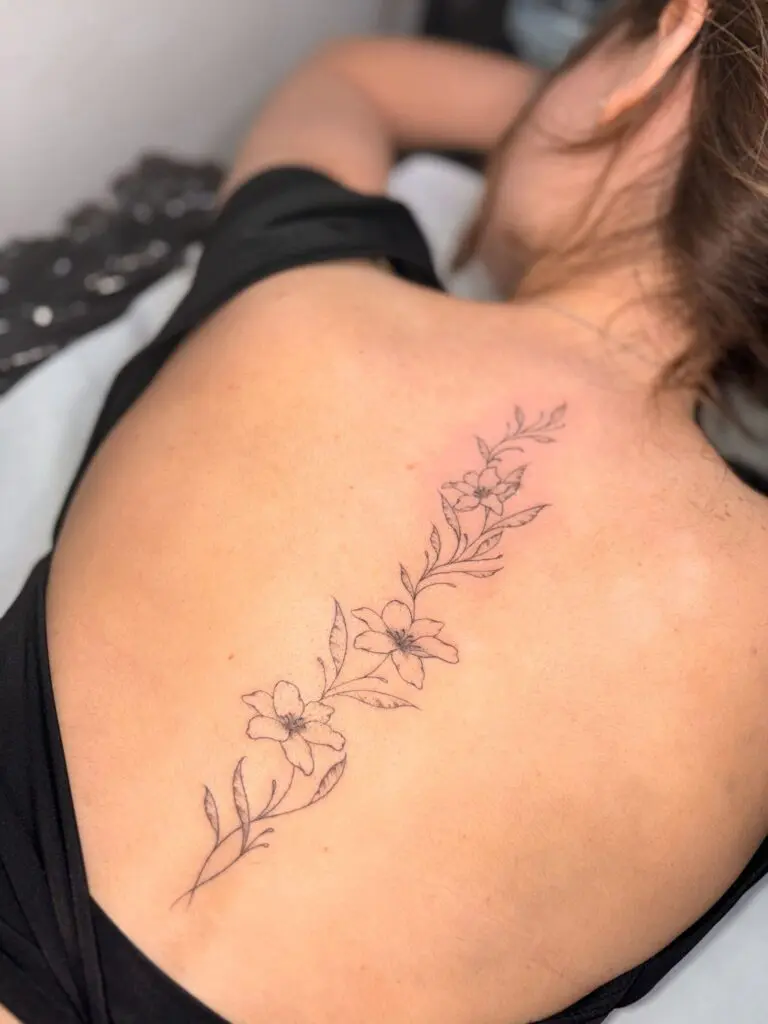
Fine line tattoos have become increasingly popular. These tattoos focus on extremely delicate lines and subtle detail rather than bold outlines. This work is created using smaller needle groupings than most other tattoo styles. This allows the artist to create very precise lines and intricate designs that appear light and elegant on the skin.
Experience plays a huge role in the quality of fine line tattoos. One issue we see is cover ups from tattoos originally done by beauticians who moved into tattooing after working in permanent makeup. While those industries involve needles and skin work, they do not translate into tattooing techniques. Tattooing requires different depth control, needle use and design planning.
Placement is also important when considering a fine line tattoo. Areas of the body that experience a lot of movement can affect how the tattoo heals. Joints such as fingers, wrists and the crease of the elbow tend to move constantly, which can cause very delicate lines to spread or fade more quickly.
Fine line tattoos at the shop are commonly completed by Luke, who specialises in precise line work.Danielle also has extensive experience producing fine line designs depending on the style of the tattoo.
Realism Tattoos
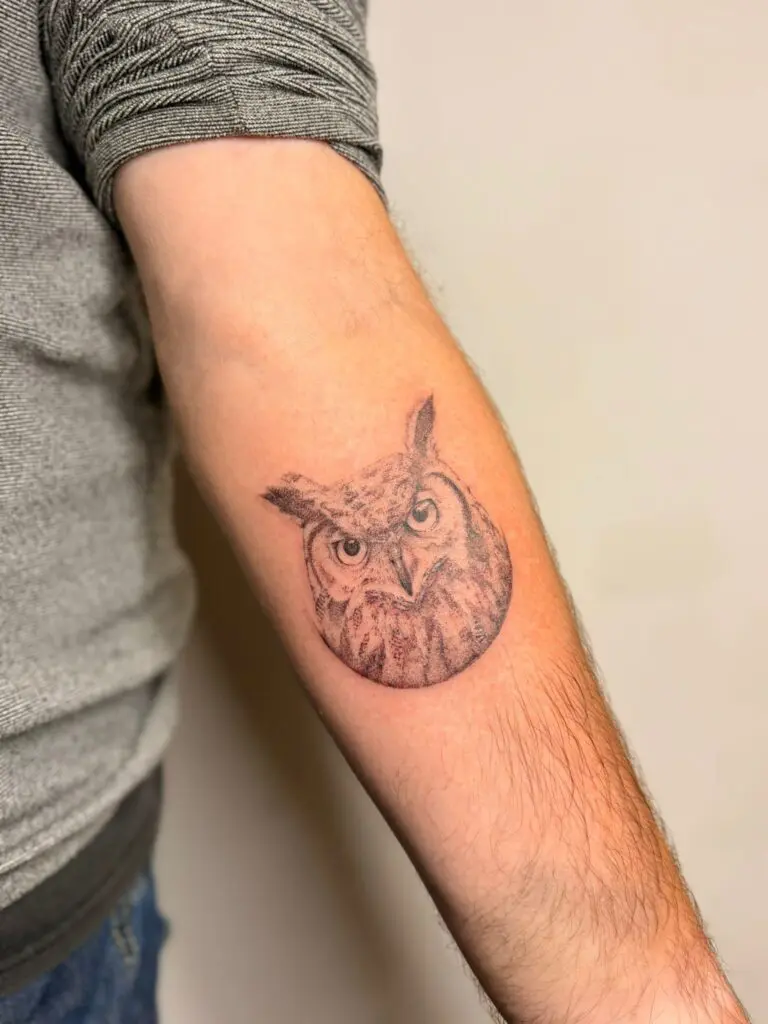
Realism tattoos aim to recreate an image as closely as possible to how it appears in real life. This style relies heavily on shading, contrast and tonal detail rather than strong outlines.
Achieving a convincing realism tattoo requires a high level of technical control. Smooth blending between tones is essential. Harsh shading transitions can make a tattoo appear flat rather than three dimensional. Experienced realism artists carefully build layers of shading so the tattoo develops depth and dimension.
Micro details also play a significant role in realism tattoos. Small elements such as individual strands of hair, highlights in the eyes and subtle variations in skin tone contribute to the overall realism of the piece.
Understanding light sources is another important skill. The artist must know where highlights and shadows should sit in order to create the illusion of depth.
Subject choice often influences realism tattoos. Florals, portraits and animals are among the most commonly requested realism designs. Each subject allows the artist to use shading techniques to create texture and contrast.
The larger the tattoo, the more detail the artist can incorporate into the design. Larger pieces allow subtle shading transitions and fine details that give realism tattoos their distinctive look.
At the shop, realism tattoos are most commonly completed by Marek and Danielle. Both artists have extensive experience in producing realistic tattoos across a range of subjects.
Memorial Tattoos
Memorial tattoos are some of the most meaningful tattoos people choose to get. These designs are created to honour someone important in a person’s life.
Memorial tattoos for people frequently involve personal elements connected to that relationship. Clients often bring handwriting from cards or letters. A signature, a meaningful phrase or a short message can become the central element of the tattoo.
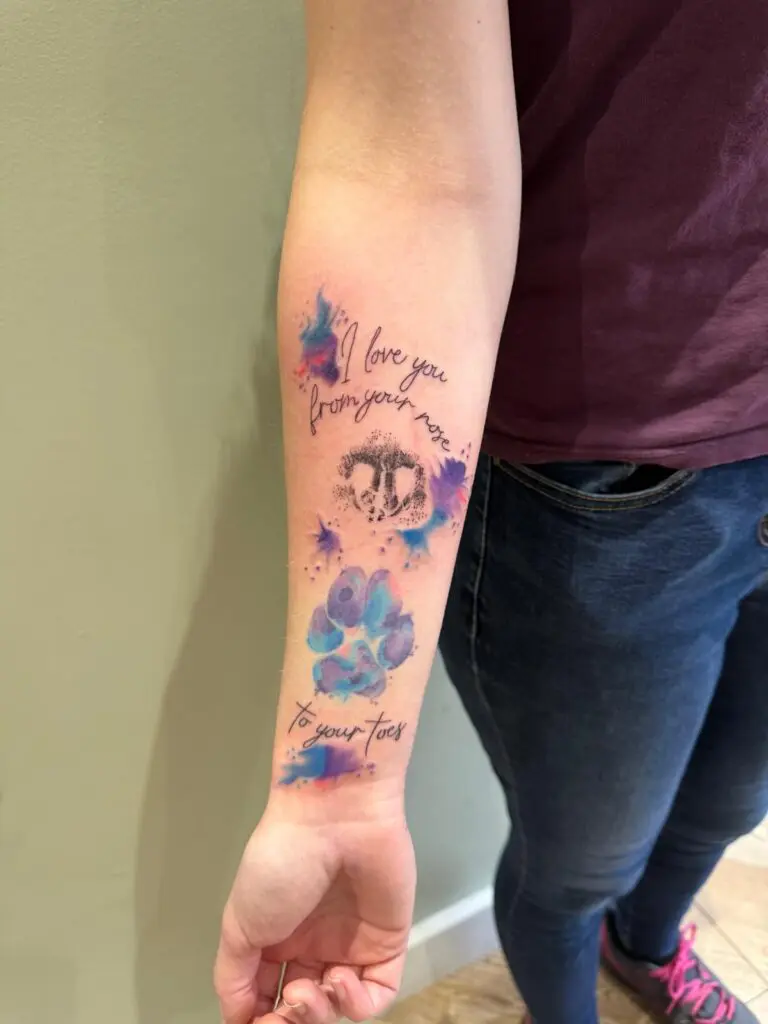
Pet memorial tattoos often take a slightly different approach. Many clients choose portrait tattoos of their pet based on photographs.
Paw prints are another very common request. Some clients bring a physical paw print impression, while others use photographs to recreate the print as part of the design.
Names, dates and small symbolic details are also frequently incorporated into pet memorial tattoos.
The size of memorial tattoos varies significantly. Some people want a small, private tattoo that holds personal meaning. Others prefer a larger piece that allows more elements or detail within the design.
Every memorial tattoo is different because the relationship behind it is different.
Some clients want to talk openly about the person or pet they are remembering. Others prefer a quieter appointment without discussing the story behind the tattoo. Both approaches are completely normal.
Designing memorial tattoos is always about creating something that feels personal to the client.
Traditional Tattoos
Traditional tattoos are one of the most recognisable styles in tattooing. This style developed through early tattoo history and remains popular because of its bold appearance and long lasting structure.
Traditional tattoos use clear, crisp outlines combined with solid colour saturation. The colour palette is usually limited, which helps the tattoo maintain clarity as it ages.
Common colours include red, green, yellow and black, although the palette remains intentionally simple.
One reason traditional tattoos age so well is the spacing between elements in the design. Traditional tattoos avoid extremely fine detail. Instead they rely on bold shapes and clear structure.
As tattoos age, a small amount of ink spread occurs naturally in the skin. Because traditional tattoos leave space between design elements, this spread does not interfere with the overall look of the tattoo.
Many traditional tattoo designs are considered classic subjects. These designs have been used in tattooing for decades because they translate well onto skin.
Examples include anchors, swallows, roses, daggers and skulls.
At the shop, Luke specialises in traditional tattooing and has extensive experience working in this style.
Neo traditional tattoos, which build on traditional techniques with slightly more complex shading and colour work, are also part of his portfolio.
Dot Work Tattoos
Dot work tattoos use thousands of individual dots to build shading and texture. Instead of filling an area with solid shading, the artist gradually builds tone through layers of dots.
When viewed from a distance the dots blend together visually to create shading and depth.
Dot work can be used across many types of designs. Geometric patterns and ornamental tattoos are particularly common within this style, although dot work shading can also appear in larger pieces.
One of the advantages of dot work tattoos is how well they age when executed properly.
Over time all tattoos experience a small amount of ink spread. In dot work tattoos this spread often softens the dots slightly and creates a natural shading effect.
When done correctly the ageing process can enhance the appearance of the tattoo rather than damage it.
Many clients also find dot work tattoos slightly more comfortable to sit through than tattoos created entirely with line work.
At the shop, Luke specialises in dot work and ornamental tattoo designs.
Micro Realism Tattoos
Micro realism tattoos apply realism techniques to much smaller designs.
While traditional realism tattoos often require larger areas of skin to capture detail, micro realism focuses on highly detailed images within a compact space. These tattoos typically range in size from around the diameter of a two pound coin to roughly the size of a palm. Despite their smaller size, micro realism tattoos still require precise shading and careful control to maintain clarity. Subject matter for micro realism tattoos often mirrors traditional realism tattoos. Florals, portraits and animals are common choices.
Because of the small scale involved, careful design planning is essential. The artist must decide which details can be included without overcrowding the tattoo.
Colour Tattoos
Colour tattoos remain one of the most visually striking styles available. Different tattoo styles incorporate colour in different ways. Traditional tattoos are well known for their bold colour palettes and clear outlines. Realism tattoos sometimes use colour to recreate natural tones within subjects such as animals, flowers or landscapes. Watercolour tattoos use colour in a softer way.
Choosing the right colours for a tattoo is an important part of the design process. Some colours naturally hold their strength better over time than others. Reds, blues, blacks and certain greens tend to age well when tattooed properly. These colours retain strong contrast and remain visible even as the tattoo settles into the skin.
Other colours require a little more consideration. Yellow and orange tones can soften more noticeably over time, especially when exposed to large amounts of sunlight. This does not mean those colours cannot be used, but it does mean placement and aftercare become particularly important.
Protecting colour tattoos from excessive sun exposure is one of the best ways to preserve their brightness. Regular use of sun protection once the tattoo has healed helps maintain colour saturation for many years.
Moisturising the skin also plays a role in keeping tattoos looking strong. Hydrated skin tends to hold colour more evenly, which is why artists often recommend continuing basic skincare even after the tattoo has healed.
Japanese Tattoos
Japanese tattoos are one of the most recognisable styles in tattooing. Known for their flowing compositions and symbolic imagery, these tattoos often cover larger areas of the body and create a strong visual impact.
Both traditional and modern interpretations of Japanese tattooing appear regularly at an Essex tattoo shop. Traditional designs follow the established structure of Japanese tattoo art, while modern versions may adapt those elements slightly while maintaining the overall aesthetic.
Certain subjects appear frequently within Japanese tattooing because they carry established meanings and work well within the style’s composition. Dragons, koi fish and Hannya masks are among the most common requests.
These subjects are usually combined with background elements that help connect the design across the body. Clouds, waves, wind bars and floral patterns often appear as supporting elements within Japanese tattoos.
One of the defining features of Japanese tattooing is the way the imagery follows traditional rules. The subject matter and the background must work together logically within the design.
For example, dragons are typically depicted moving through clouds rather than emerging from water. Koi fish are usually paired with water backgrounds. These combinations help maintain the visual and cultural integrity of the design.
Japanese tattoos also tend to work best as larger pieces. Sleeves, back pieces and large panels allow the artist to create the flowing composition that defines the style.
Chicano Tattoos
Chicano tattoos are strongly associated with black and grey tattooing. This style developed from the cultural traditions of Chicano art and has become widely recognised for its detailed shading and distinctive imagery.
Most Chicano tattoos rely on smooth black and grey shading rather than colour. This approach creates a dramatic contrast that suits the subjects commonly used within the style.
Faces and portrait style imagery are particularly common in Chicano tattoos. Religious figures, women’s faces, cultural symbols and lettering often appear together within the same design.
The style frequently uses soft shading transitions to create depth and dimension. These techniques allow artists to produce tattoos that feel almost photographic while maintaining a distinctive artistic identity.
Chicano tattoos are often completed as medium to large pieces. The style benefits from having enough space for shading and detail to develop properly across the design.
Portrait Tattoos
Portrait tattoos aim to recreate the likeness of a person or animal as accurately as possible. Because the human eye is very sensitive to facial features, portrait tattoos require an extremely high level of precision.
A successful portrait tattoo depends heavily on the quality of the reference photograph. A clear and well lit image allows the artist to capture the details that make the face recognisable.
Blurry or low quality images make it much harder to achieve a convincing result. For that reason artists usually encourage clients to provide the best possible reference photograph before beginning the design.
Size also plays an important role in portrait tattoos. One of the most common mistakes people make is requesting a portrait that is too small.
Faces contain subtle details such as highlights in the eyes, variations in skin tone and small features within the mouth and hair. A larger tattoo allows the artist to include these details without overcrowding the design.
Portrait tattoos are commonly requested for memorial pieces, but they are also popular for tattoos of family members, cultural figures or animals.
Pet portraits are often just as common as portraits of people. Many clients choose this style to capture the personality of a pet they want to remember.
At the shop, portrait tattoos are most commonly completed by Danielle and Marek depending on the style and scale of the design.
Large Scale Tattoos
Large scale tattoos are designed to cover significant areas of the body. Examples include half sleeves, full sleeves and large back pieces.
These tattoos are usually created as complete compositions rather than individual designs placed next to each other. Planning the flow of the artwork across the body allows the tattoo to feel balanced and intentional.
Large tattoos almost always require multiple sessions. The exact number of sessions depends on the level of detail within the design and the size of the area being tattooed.
Many sleeves and back pieces take more than one season to complete because the skin needs time to heal between sessions.
Some clients begin with a smaller tattoo and expand the design over time. Others prefer to plan the entire piece from the beginning so the artwork flows consistently across the body.
Both approaches can work well, although planning the full design from the start often produces the strongest overall result.
Large scale tattoos can incorporate many different styles including realism, Japanese, traditional and ornamental work.
Linework Tattoos
Linework tattoos focus on the strength and clarity of the lines that form the design.
While fine line tattoos use extremely delicate needle groupings, linework tattoos rely on slightly larger groupings that create stronger lines capable of holding their structure over time.
This style often works best with clear, simple designs that rely on line structure rather than heavy shading.
Clean line quality is essential. If the lines are uneven or poorly applied, the tattoo can appear shaky or inconsistent once healed.
When linework is done properly the design holds its form well and remains clear as the tattoo ages.
Luke, Danielle and Marek all produce line work tattoos depending on the design being requested.
Tattoo Aftercare
Proper aftercare plays a significant role in how well a tattoo heals. Even the best tattoo can heal poorly if aftercare instructions are not followed.
After a tattoo appointment the artist will usually apply a protective covering over the tattoo. This covering protects the fresh tattoo from contamination during the first stage of healing.
During the healing period the tattoo should be kept clean and lightly moisturised. Over moisturising can cause irritation, so a thin layer of recommended ointment or moisturiser is usually sufficient.
Sun exposure should be avoided while the tattoo heals. Once the tattoo has fully healed, regular sun protection helps preserve both colour and contrast within the tattoo.
Walk In Tattoos at Our Essex Tattoo Shop
Walk in tattoos are available when the shop has space during the week.
Smaller designs are usually the most suitable for walk in appointments. Larger tattoos typically require a consultation and a scheduled booking.
Clients who want a tattoo quickly can often find availability within the same week depending on the schedule.
Booking a Tattoo Appointment
Booking a tattoo at an Essex tattoo shop usually begins with a consultation. During this stage the artist and client discuss design ideas, placement and size.
Consultations can take place in person at the shop or online.
Once the design has been agreed, the tattoo appointment can be scheduled according to the artist’s availability.
Some artists currently have waiting lists of around eight weeks, particularly for larger custom work.
Smaller tattoos may be available sooner depending on the schedule.
Why People Travel To Our Essex Tattoo Shop
Tattoo clients often travel further than many people expect when they are looking for the right artist. Choosing a tattoo is not the same as choosing a haircut or a beauty treatment. A tattoo becomes part of your body, which means experience, trust and artistic ability matter far more than distance.
Our Essex tattoo shop regularly welcomes clients from across the county, including Chelmsford, Maldon, Wickford, Basildon and Southend. Many clients also travel from further away in the UK when they want a particular style or artist.
International travel is becoming increasingly common as well. Over the years we have tattooed visitors travelling from Canada, the United States, Germany and Switzerland. Some plan their trip around the tattoo appointment itself, while others visit during holidays or work travel.
Clients often tell us they chose the shop because they wanted an experienced artist who could guide them through the design process and deliver a tattoo that will age well. Reviews frequently mention the calm and welcoming environment, which is something people value when they are travelling for a tattoo.
Tattooing someone who has travelled a long distance also creates a responsibility for the artist. Clients expect the experience to match the effort they have made to get there, which is why consultations, planning and clear communication are an important part of the process.
Booking A Tattoo At Our Essex Tattoo Shop
Booking a tattoo usually begins with a consultation. This is the stage where the artist and client discuss the design, placement and size of the tattoo. Consultations help ensure that the final design works well with the body and suits the style being chosen.
Consultations can take place at the shop in person or online. Many clients prefer to meet the artist face to face, although online consultations are helpful for people travelling from outside Essex or from other countries.
During the consultation the artist will explain how the design will be created, how long the tattoo is likely to take and what preparation may be required before the appointment.
Waiting times vary depending on the artist and the size of the tattoo. Larger custom pieces usually have a longer wait because they require more preparation and multiple sessions.
At the moment some artists have waiting lists of around eight weeks for larger work. Smaller tattoos may be available sooner depending on the schedule.
Walk in tattoos are sometimes available during the week if there is space in the diary. These are typically smaller designs that can be completed in one session.
Clients who want a specific artist or a large scale piece are encouraged to book a consultation first so the design can be planned properly.
Tattoo Prices At An Essex Tattoo Shop
One of the most common questions people ask when researching tattoos is how much a tattoo costs. The answer depends on several factors including the size of the design, the level of detail and the time required to complete the tattoo.
At our Essex tattoo shop tattoos are usually priced per piece rather than strictly by the hour. This approach allows the artist to focus on the design rather than watching the clock during the session.
Smaller tattoos can sometimes be completed quickly, while larger pieces may require multiple sessions spread across several weeks or months.
The shop has a minimum charge of £50, which covers smaller tattoos that take less time to complete. Larger custom tattoos are priced individually after the consultation stage.
Clients sometimes assume that tattoos should be as cheap as possible. In reality, tattooing is a specialised craft that combines artistic skill, technical experience and professional equipment. Choosing an experienced artist usually results in a tattoo that heals well and continues to look strong for many years.
A Female Friendly And Inclusive Essex Tattoo Shop
Many people still feel nervous before getting their first tattoo. Walking into a tattoo shop for the first time can feel intimidating if the environment is unfamiliar.
Creating a welcoming space is something we take seriously. The shop is co owned by a married couple, one of whom is female, and the team also includes several female artists. This helps create a balanced and comfortable environment for clients.
A tattoo appointment should feel comfortable and respectful. Taking the time to answer questions and guide people through the process helps ensure the experience is positive from the start.